
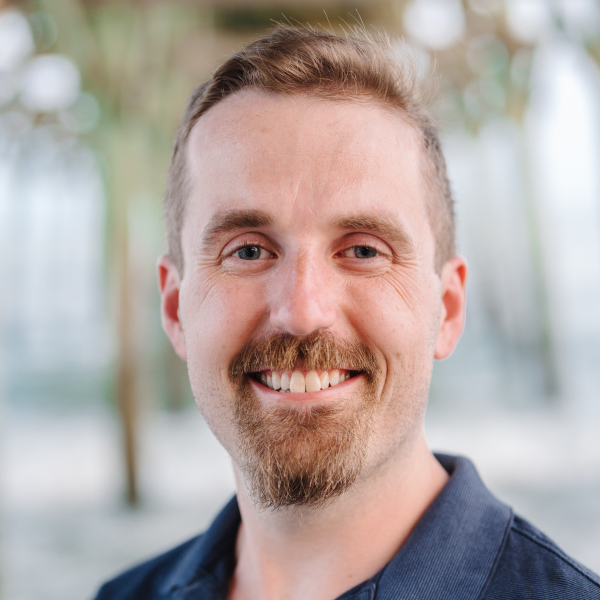
Schreiner named a STAT Wunderkind
Duke University School of Medicine postdoctoral researcher Drew Schreiner, PhD, has been named a 2026 STAT Wunderkind by STAT News for his work understanding how songbirds learn and develop their song. He is one of 28 early-career doctors and researchers in North America honored by the news outlet this year.
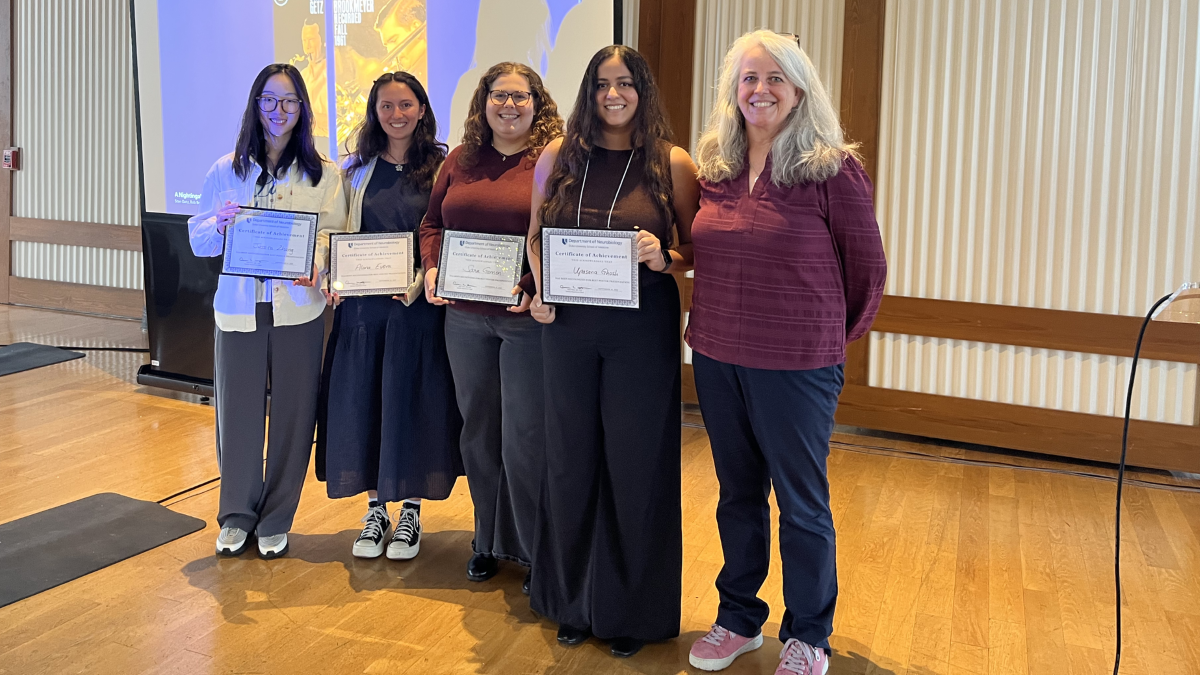
Evora, Gannon, Ghosh, and Zhang Receive Best Poster Awards by Popular Vote
At the recent department retreat, 75 posters were presented and 'Best Poster Award' went to four graduate students who were elected by popular vote of all retreat attendees. Winners were Alana Evora (Carreira-Rosario Lab), Sara Gannon (Glickfeld Lab), CMB student Jessica Zhang (Huang Lab), and BME student Upasana Ghosh (Tadross Lab).
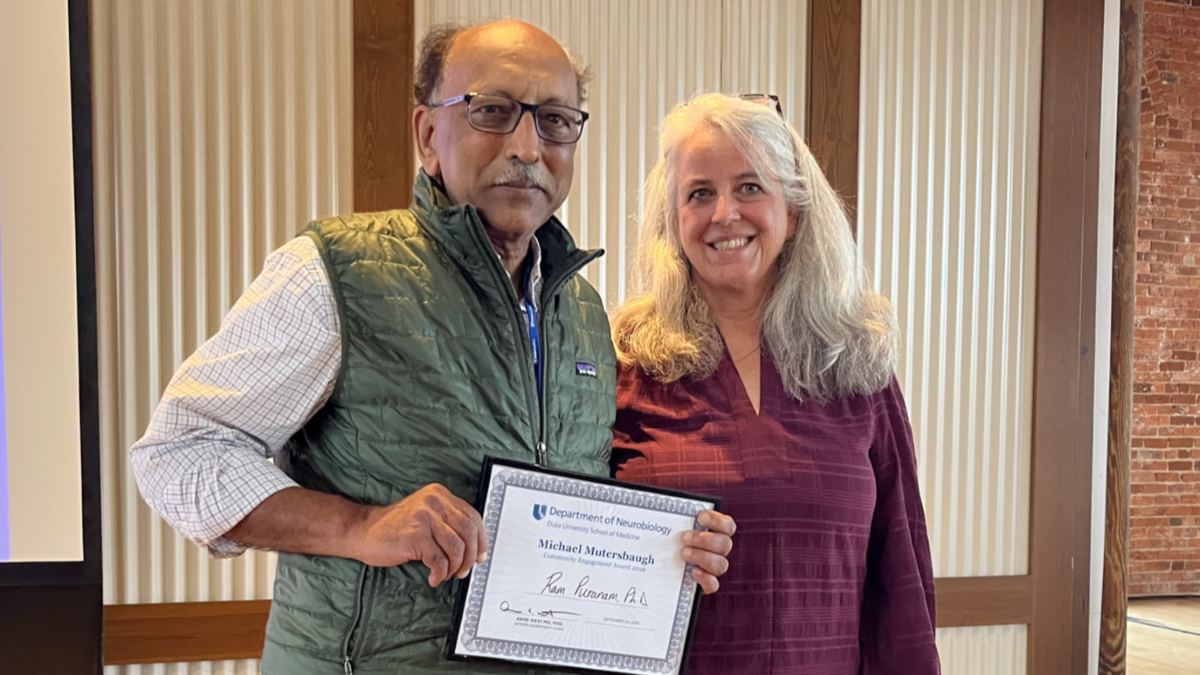
Ram Puranam Wins Mike Mutersbaugh Award
This year's 'Michael Mutersbaugh Community Engagement Award' went to senior scientist Ram Puranam in Steve Harward's Lab. He was lauded for his selflessness in giving of his time and expertise to help others and for his mentorship of numerous undergraduates and graduate students over the years. Said one of his nominators, Ram "exemplifies the kind of giving attitude that makes the department a happy and collaborative place."
3 Neurobiology trainees win F30/31 awards
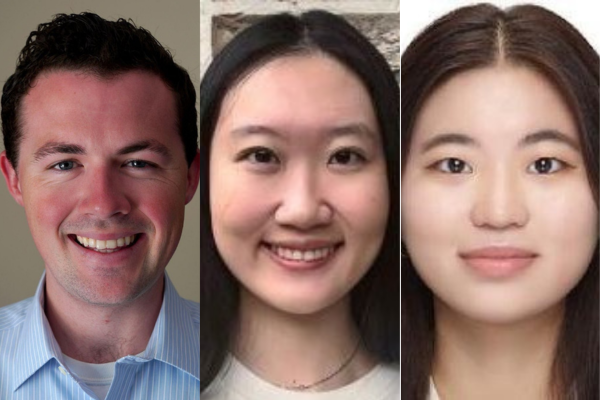
Fourth year graduate students Patrick Mulcahey and BME student Hermione Xu, both in Huang Lab, have each been awarded NRSA F31s. MD/PhD student Helen Heo (Eroglu Lab) has been awarded an F30. The F31 typically provides two to three years of support to promising doctoral candidates while the F30 can support up to 6 years of predoctoral research training for dual degree students.

Alev Brigande wins professional development award from the Society for Neuroscience
Fifth year graduate student Alev Brigande of Disney Lab received the Society for Neuroscience’s Trainee Professional Development Award (TPDA). This award is given to students who demonstrate scientific merit and excellence in research and is intended to promote the advancement of their career training as neuroscientists.

Fouke Awarded 2026 Bill Hall Prize
Duke Neurobiology awarded the Bill Hall Prize for Excellence in Graduate Student Research to Kaitlyn Fouke of Naumann Lab on Friday, August 28. The annual award recognizes one or two senior Neurobiology graduate students who have made impactful contributions to scientific knowledge.

Welcoming Neurobiology's Newest PhD Students
The Department of Neurobiology is welcoming five new doctoral students this fall.
Xinyu Tu receives Dean's International Scholarship
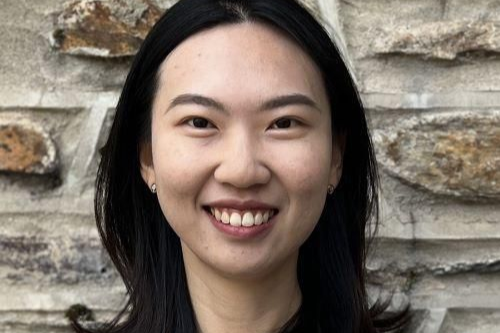
Rising second year graduate student Xinyu Tu (Glickfeld Lab) has been selected as a recipient of the Duke SoM Dean's International Scholarship. This scholarship is awarded to international students at the end of their first year of study and acknowledges academic progress and scientific potential as well as contributions to the academic community. These scholars will receive one year of tuition, fees, and stipend to support their research in year 2. The award also highlights the PIs' accomplishments as a mentor, scientist, and important contributor to graduate training.
Tadross Lab: New tools reopen an old path to less addictive opioids
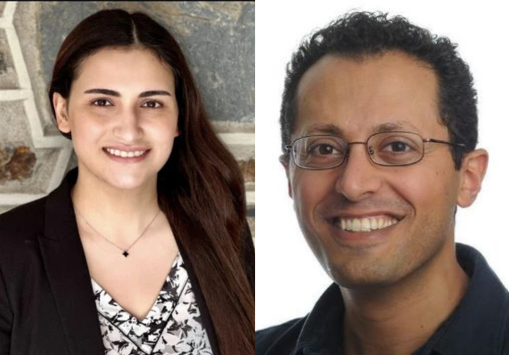
What if pain relief and addiction didn't have to go hand in hand? Duke researchers report a discovery that could help scientists design safer opioids. Their Nature study found that a small group of brain cells appear to play an important role in reward learning, the process that can lay the foundation for addiction. The team showed that opioid pain relief could be preserved even when drug-related preferences failed to form.
Lang selected as one of the top presenters in the 3 Minute Thesis competition
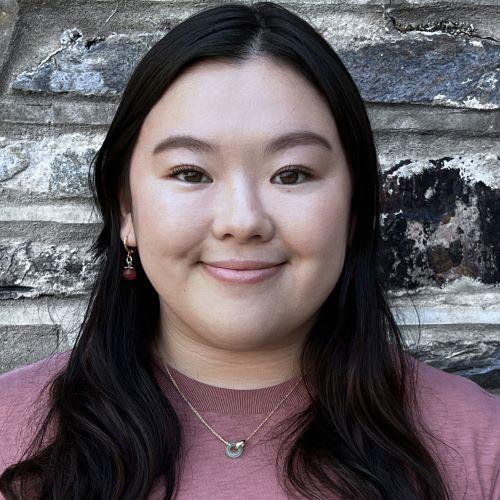
Rising third year graduate student Ellisa Lang of Russ Lab was recently selected as one of the top ten presenters in the 3 Minute Thesis competition. This competition challenges doctoral students to present their research and its impact in three minutes in language that a non-specialist audience can understand using only one slide. Lang will compete in the finals to be held this Tuesday August 4 from 3:00 - 5:00 PM in Schiciano Auditorium in the Pratt School of Engineering.