
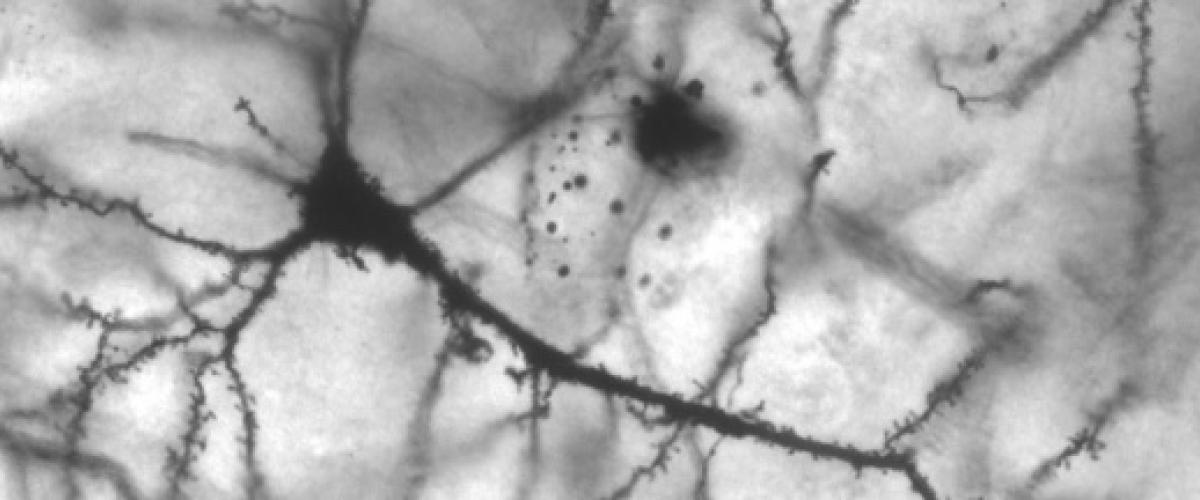

Eroglu and Ramirez Reveal How Astrocytes Help Prune the Brain’s Early Wiring
A new study led by Neurobiology training faculty member Cagla Eroglu, first author and Neurobiology alum Juan Ramiriz, and a team including interim chair Staci Bilbo, discovered that the star shaped brain cells called astrocytes work with neurons and immune cells to help “trim” extra brain connections shortly after birth, a process that’s crucial for healthy brain development. They found that a protein made by astrocytes, called Hevin, has two forms—one that helps keep useful connections and another that signals immune cells to remove unnecessary ones. This insight could help researchers better understand sensory processing problems and conditions like autism.
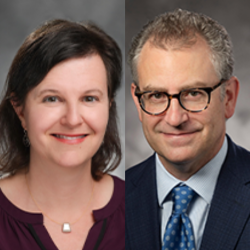
Goldstein and Silver Named Distinguished Professors
Neurobiology training faculty Bradley Goldstein and Debra Silver were among the 22 faculty members in the School of Medicine awarded distinguished professorships. These professorships are awarded to faculty who have demonstrated extraordinary scholarship in advancing science and improving human health.
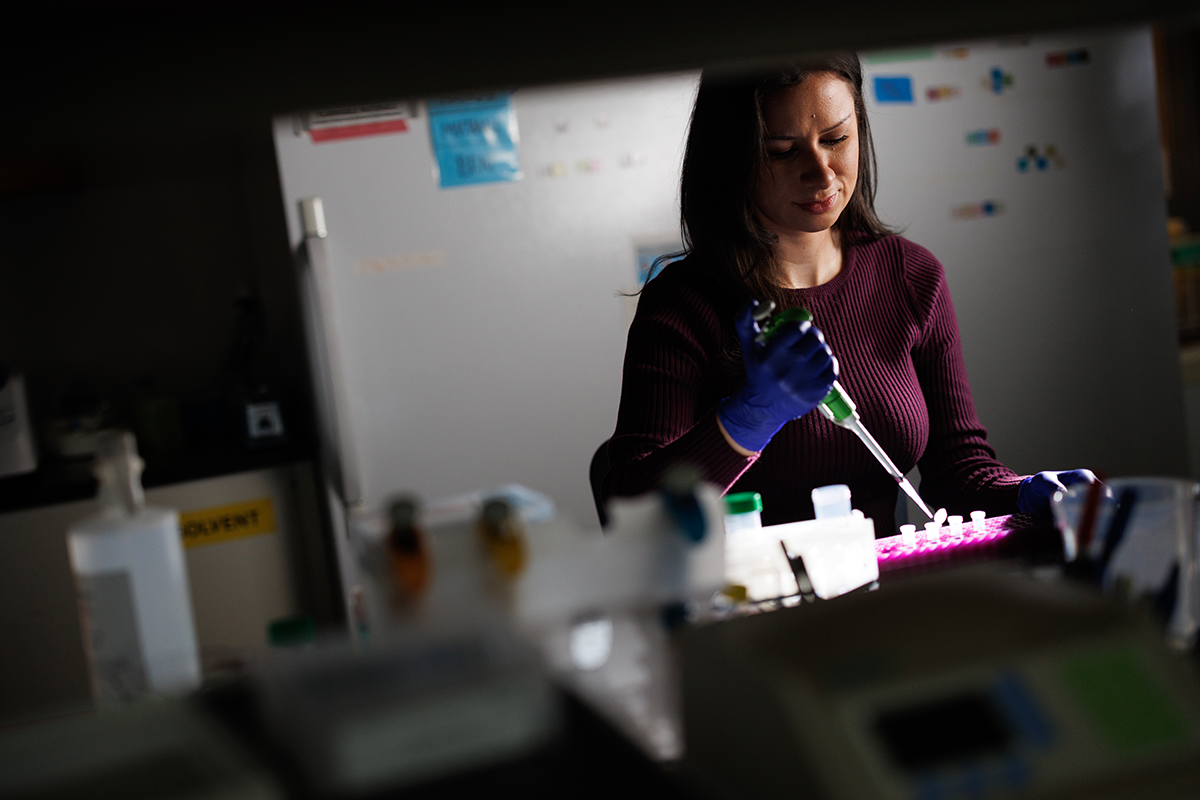
Seneca Oxendine of the Bilbo lab tackles the science of aging
From immune memory in the brain to exercise‑strengthened cells, student researchers explore how science could help us age with more resilience.

New study from Huang Lab identifies brain region that coordinates hand and mouth movements during eating
Josh Huang and senior research associate and first author Xu An found an area of the cerebral cortex that helps mice coordinate precise movements of their hands and mouth while handling and eating food.

Huang Lab Finding: How a Neuron’s Early Life Sets Its Future in the Brain
Neurons formed through two different “birth routes” in a mouse embryo grow into adult neurons with noticeably different structures and functions.
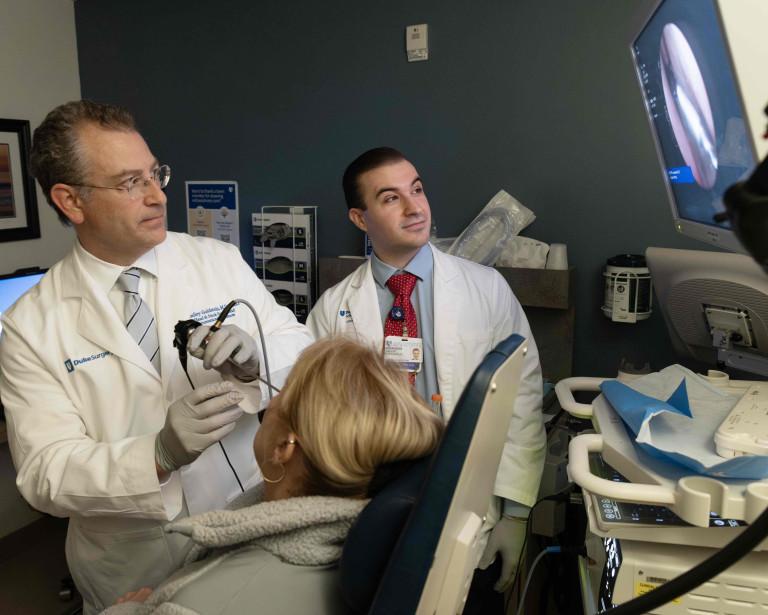
Goldstein Lab: Nasal Swab Test Spots Early Alzheimer’s Signals
In a new study, a team of Duke researchers led by Neurobiology training faculty member Bradley Goldstein and including Neurobiology alum Tiffany Ko show that a quick, outpatient nasal swab can pick up early biological changes linked to Alzheimer’s, even before thinking and memory problems appear.
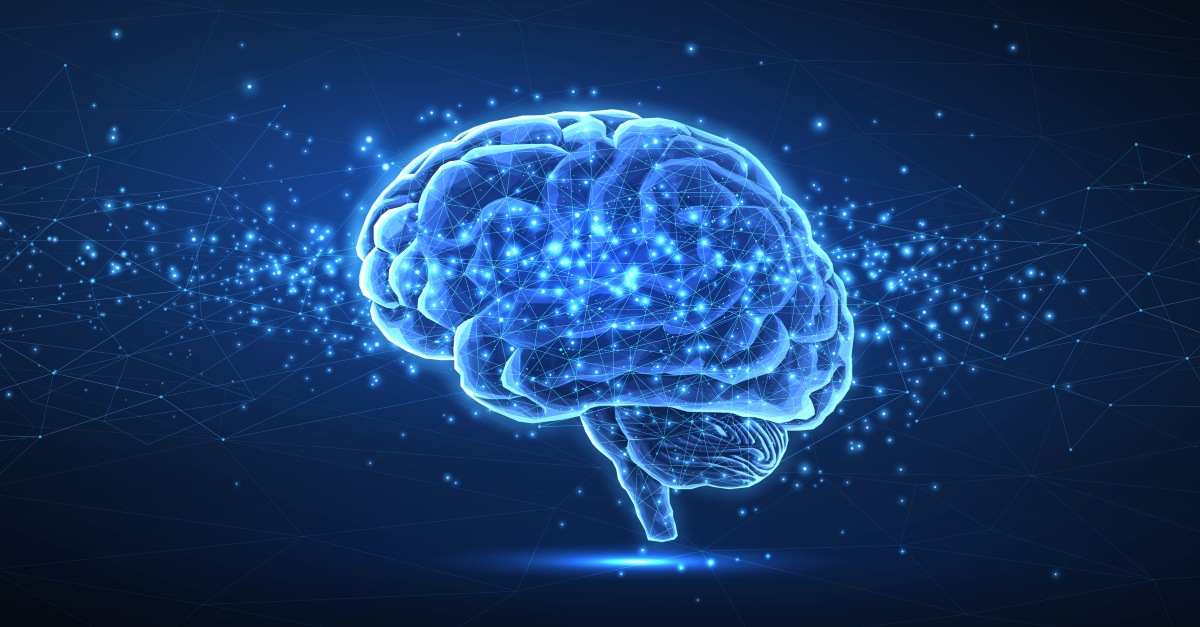
Hull Lab: Hidden circuit helps the brain learn from mistakes
Duke University School of Medicine scientists have discovered a hidden brain circuit that helps explain how we learn from experience.
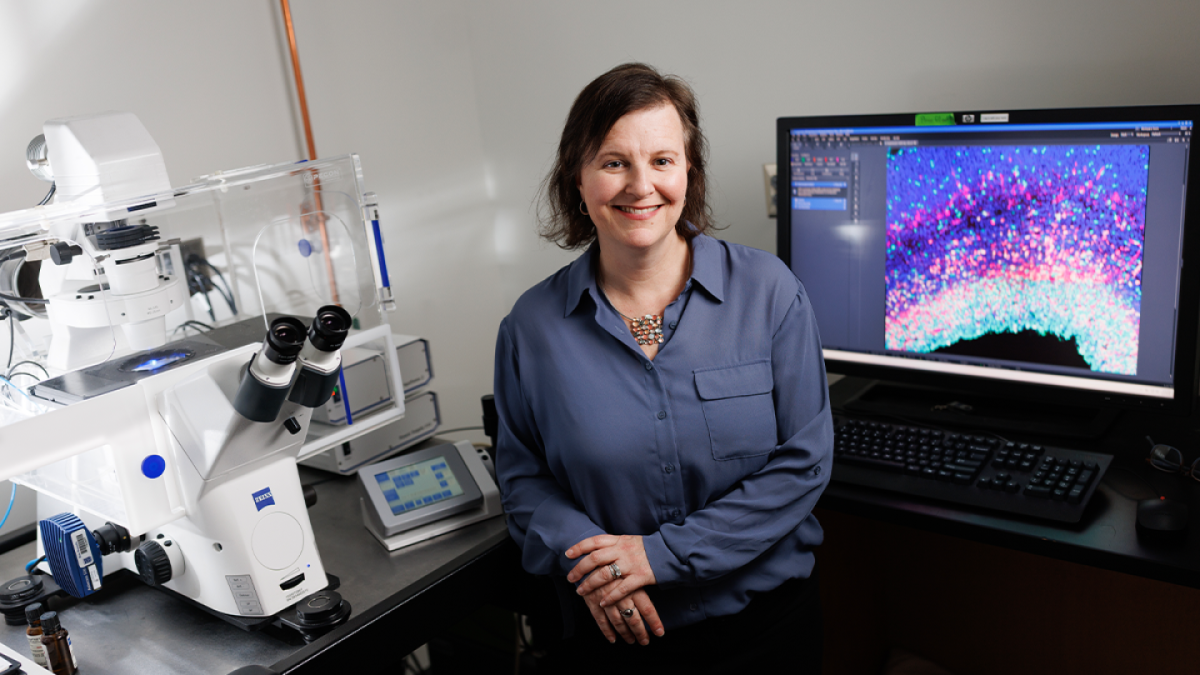
Debby Silver on the Brain's Blueprint Maker
Debra Silver, PhD, is pursuing one of neuroscience’s biggest questions: What makes a human brain human? She researches it with the same mix of precision and adventure she brings to her passion for scuba diving.

Soderling and Page to co-lead SoM's Discovery AI which aims to aid biomedical research
The initiative will support recruitment of faculty with expertise at the intersection of AI and biology to be embedded in basic science departments. It will also provide shared computational resources, a seminar series, coding bootcamps, and access to cutting-edge laboratory technologies.
Vagus Nerve Stimulation Shows Promise in Preventing Postoperative Delirium
In older adults, postoperative delirium—characterized by confusion, inattention, and agitation—can occur following surgical procedures, and some individuals fail to fully recover. Researchers led by Anesthesiology faculty member Niccolò Terrando and Neurobiology training faculty member Warren Grill have identified that activating the vagus nerve, which links the brain to multiple organ systems, can reduce brain inflammation and cognitive disturbances after surgery in mice predisposed to Alzheimer’s-like disease. These results indicate a promising therapeutic approach for managing postoperative delirium in humans. The intervention, known as percutaneous vagus nerve stimulation (pVNS), employs a minimally invasive, skin‑applied device developed at Duke University to deliver targeted electrical stimulation to the vagus nerve.