
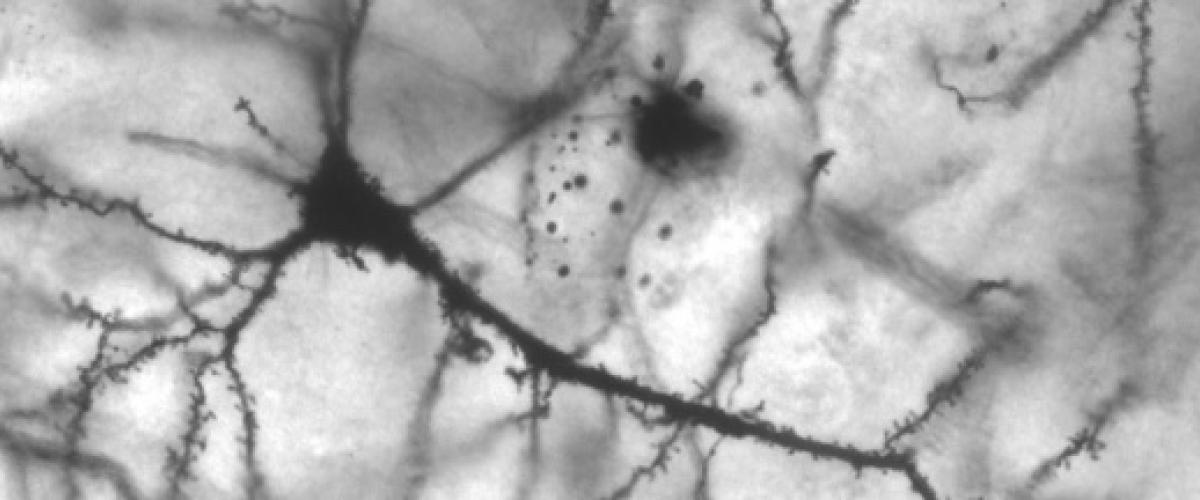
Vagus Nerve Stimulation Shows Promise in Preventing Postoperative Delirium
In older adults, postoperative delirium—characterized by confusion, inattention, and agitation—can occur following surgical procedures, and some individuals fail to fully recover.
Huang Lab Findings Published in Nature Neuroscience
A team led by Neurobiology's Josh Huang and postdoc first-author Yi Li studied how different parts of the mouse brain work together to guide a natural action where the animal reaches out and
Saunders and Dziabis Win Germinator Awards
Second year graduate student Jillian Saunders (Eroglu Lab) and postdoc Julia Dziabis (Scott-Hewitt Lab) have been selected to receive 2026 Duke Institute for Brain Sciences Germinator Awards

Sindoni Wins Dean’s Award for Excellence in Teaching
Sixth year graduate student Michael Sindoni of Grandl Lab has been selected to receive the 2026 Dean’s Award for Excellence in Teaching.
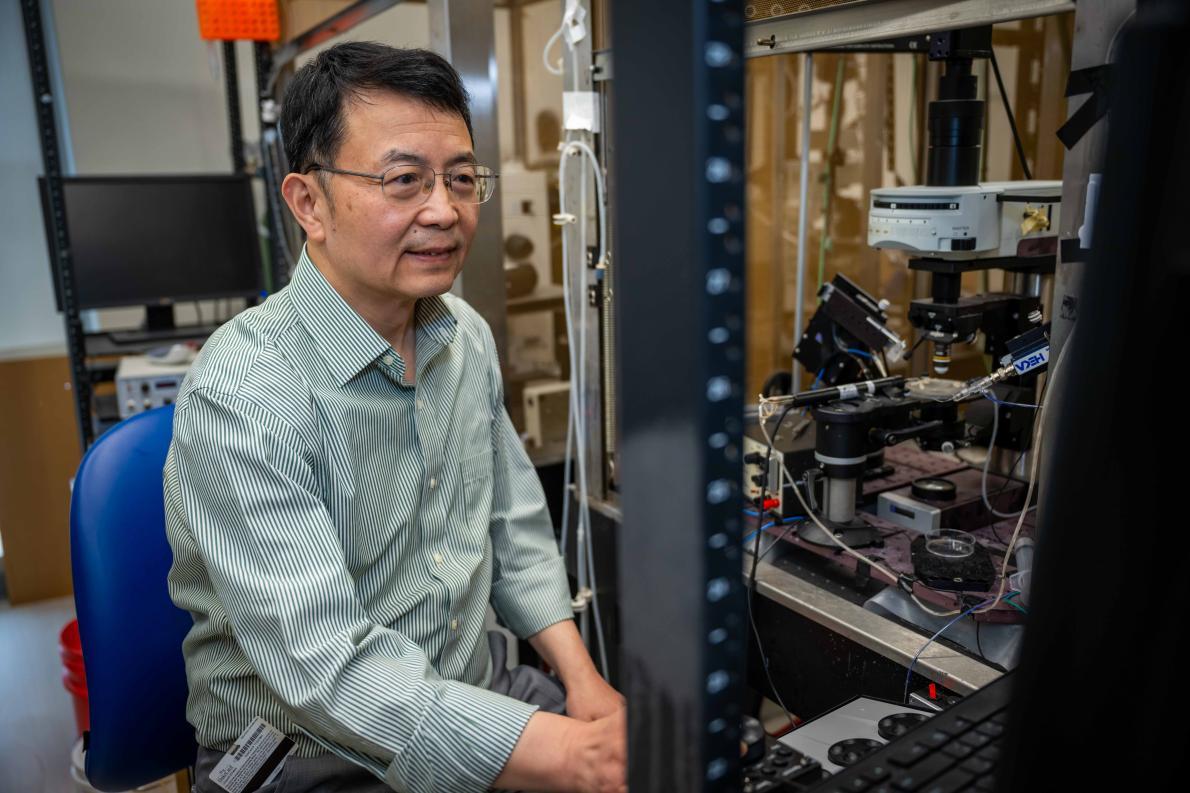

Acker Lab: Stress among older adults tied to worse surgery recovery
Stress before surgery may matter more than doctors once thought. A new Duke University School of Medicine study led by Neurobiology training faculty member Leah Acker finds that even modest stress can affect how older adults recover from surgery.
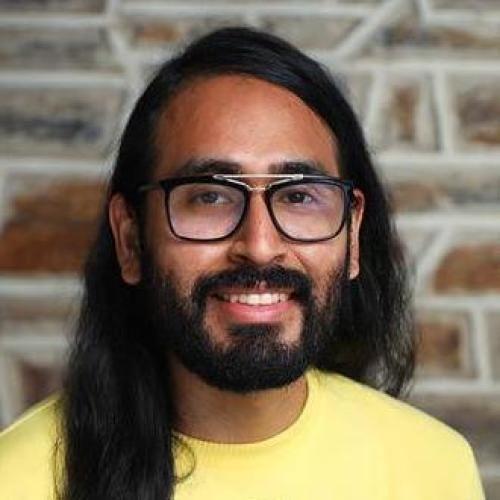
Campos Salazar Selected for NIH OSNAP Award
Fifth-year graduate student Brayan Campos Salazar (Bilbo Lab) has been selected as one of this year's recipients for the Outstanding Scholars in Neuroscience Award Program (OSNAP)
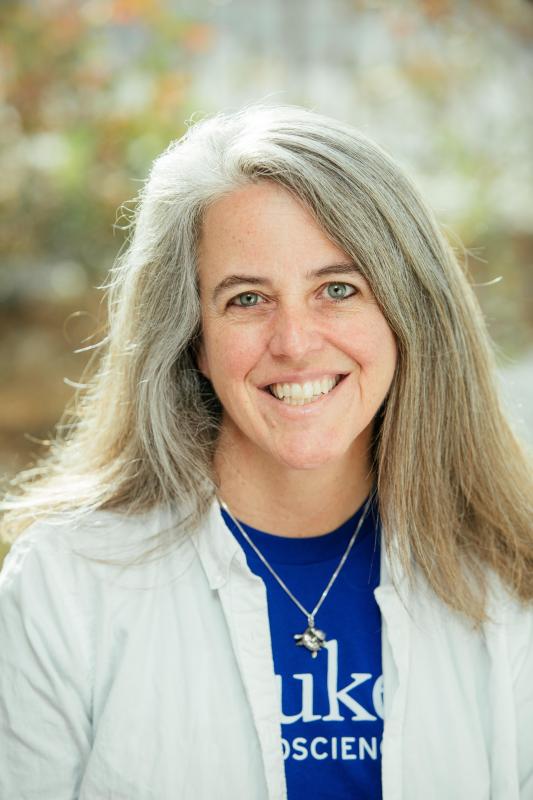
Anne West Receives Landis Award for Outstanding Mentorship
Anne E. West, MD, PhD, George Barth Geller Distinguished Professor of Neurobiology, has received the Landis Award for Outstanding Mentorship from the National Institute of Neurological Disorders and Stroke for dedication to superior mentorship and training in neuroscience research.
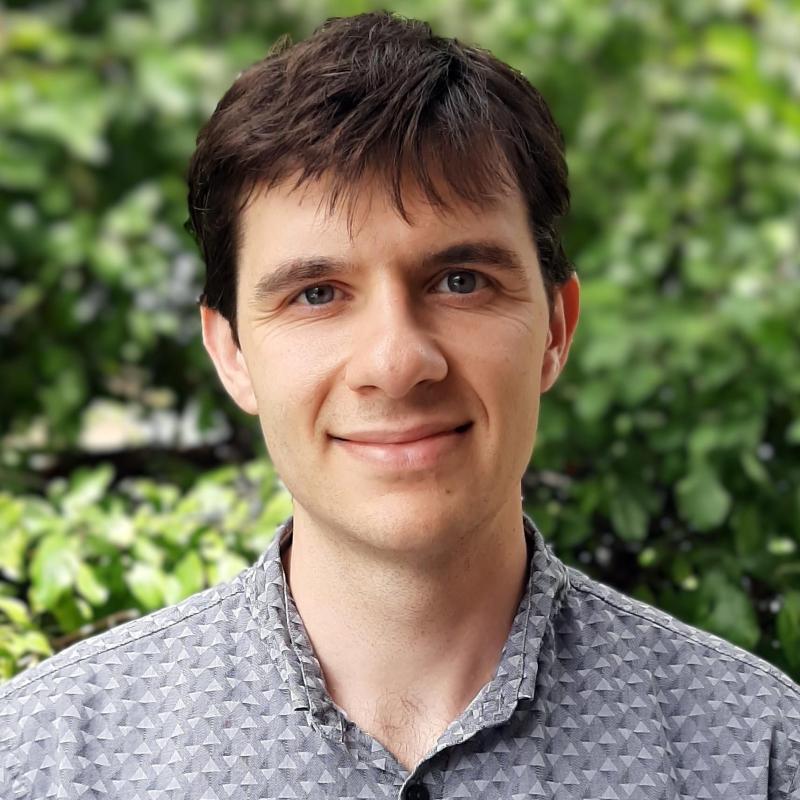
Velmeshev Wins NIDA Avenir Award
Neurobiology assistant professor Dmitry Velmeshev is one of four researchers nationwide to win a National Institute on Drug Abuse (NIDA) Avenir Award in Genetics and Epigenetics o
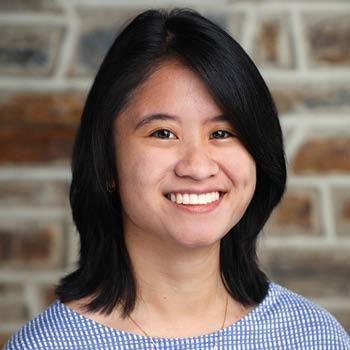
Fernando Featured in Duke Innovation & Entrepreneurship Article
Sixth-year graduate student Kayla Fernando (Hull Lab) is blending scientific research with entrepreneurial skills learned through the Duke Innovation & Entrepreneurship G